


sponsored
Equity in Implementation Science Is Long Overdue
Implementation researchers and practitioners must examine how the field can be truly equitable. A systemic approach offers a path forward.

Implementation researchers and practitioners must examine how the field can be truly equitable. A systemic approach offers a path forward.

A pioneering initiative is showing how traditional financial organizations can cocreate with nonprofits and entrepreneurs to improve the financial health of all Americans.
Open-access to this article made possible by the Financial Solutions Lab.

Brazilian civil society worked together to win basic income for the poor. Its success illustrates how organizations must interlock to secure rights and push for social change.
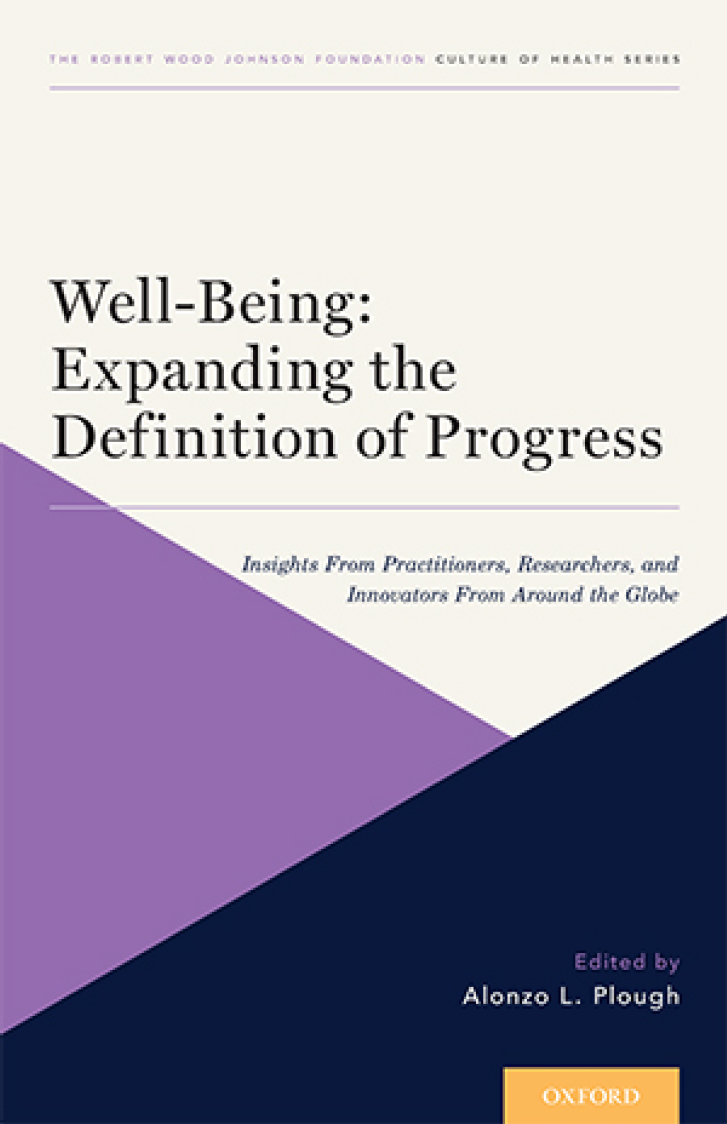
A new book proposes a framework for thinking about well-being to promote racial equity.

By focusing on three principles—shared goals, open acknowledgement of differing incentives, and the reduction of hierarchy and centralized strategy—organizations can build stronger partnerships, with an emphasis on action.

Schools must help liberate their students and their families from social injustice and support the revitalization and sustainability of their communities and environment.

Establishing a shared understanding of Fresno’s racist policies and practices is key to how The Shared Prosperity Partnership will share power with residents who have been routinely excluded.

COVID-19 has forced business, government, and philanthropy to combine forces quickly to respond to community needs. Here are five principles for making organic, public-private alliances an ongoing force for change.

Because it cuts across distinct sectors, menstrual health and hygiene (MHH) is a much more complex and difficult public health issue than many realize.

Philanthropic dollars can play a unique role in catalyzing the public sector’s transformation toward data-driven leadership and decision-making.